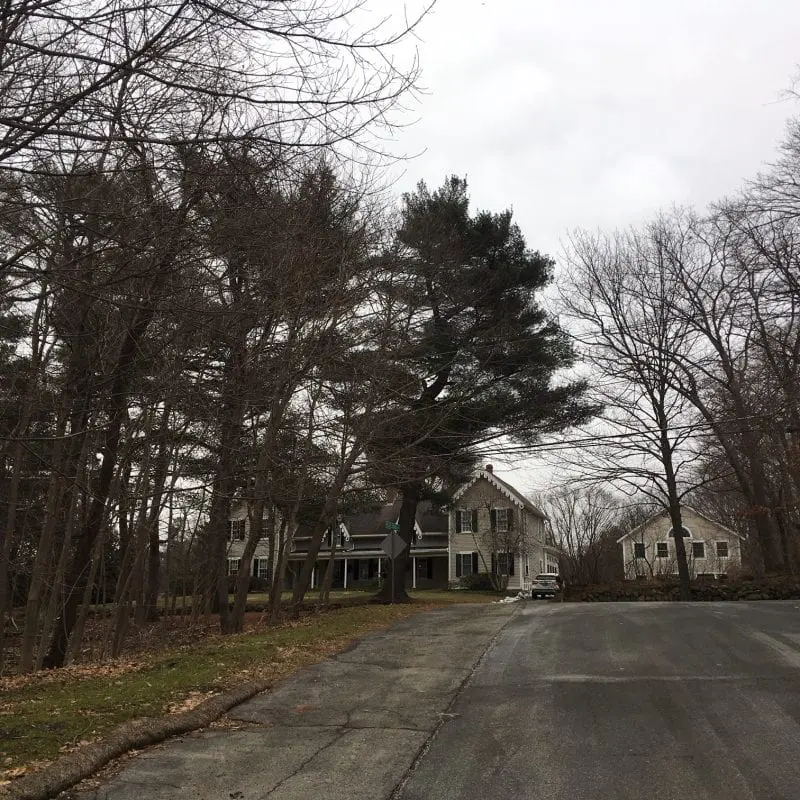
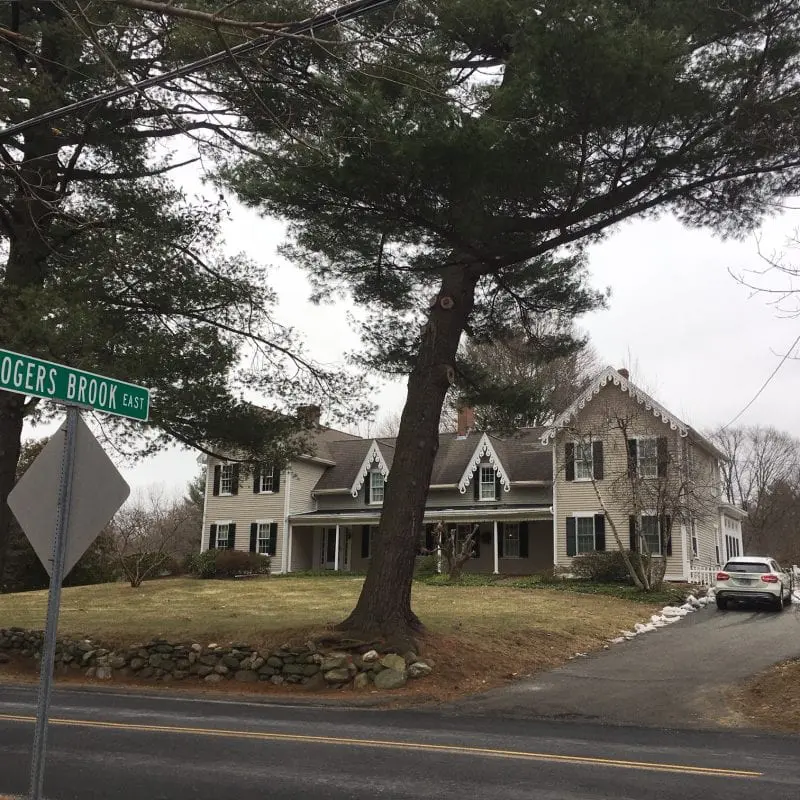
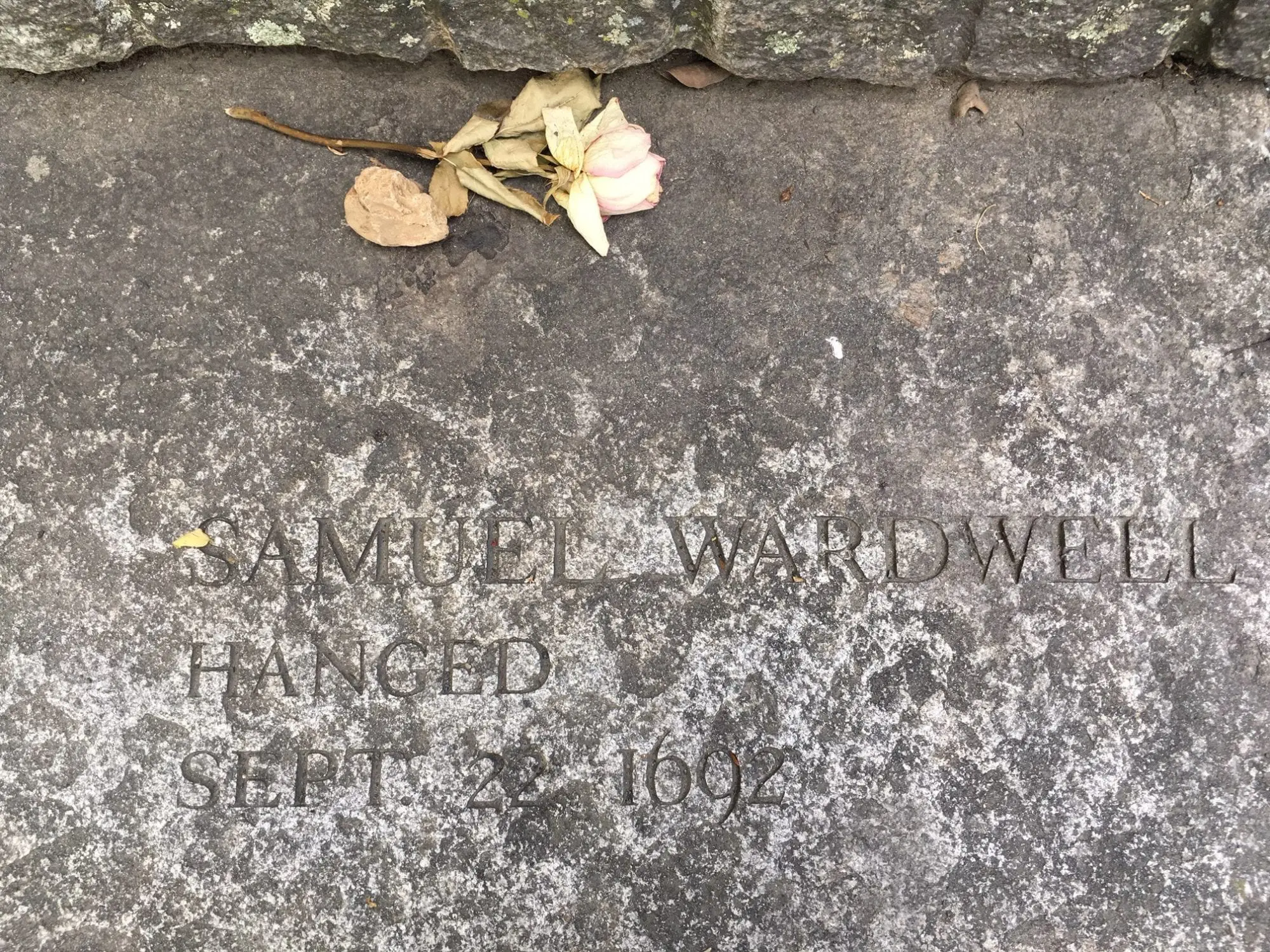
In 1692, Sarah and Samuel Wardwell lived in the center of Andover, near what is today the border between Andover and North Andover. Samuel was a known fortune teller, which made him a prime suspect for witchcraft accusations.
Shinseki Nokotowo Tomari Dakara Animation Fixed Fixed Today

Highland Rd & Rogers Brook E, Andover, MA 01810, USA
Highland Rd & Rogers Brook E, Andover, MA 01810, USA
Shinseki Nokotowo Tomari Dakara Animation Fixed Fixed Today
The Shinseiki no Otome franchise, particularly the Tomari Dakara OVA, has left a lasting impact on the anime industry. The innovative use of fixed animation has allowed creators to push the boundaries of storytelling and experiment with new techniques. As the anime landscape continues to evolve, it's fascinating to reflect on the contributions of Shinseiki no Otome and its legacy in the world of Japanese animation.
The long and specific nature of the search query "shinseki nokotowo tomari dakara animation fixed" highlights how online communities often use detailed terms to locate very specific content, whether it's a meme, a niche show, or a fan-made project. It showcases a culture of dedicated fandoms that actively discuss, critique, and even improve upon the media they consume.
In several frames, character anatomy, facial proportions, and perspective became noticeably distorted—a phenomenon known in the anime community as going "off-model." shinseki nokotowo tomari dakara animation fixed
This comprehensive article breaks down the context of the piece, why its production quality initially disappointed fans, how independent creators "fixed" the project, and the broader tech trends driving this niche corner of the animation industry. Understanding the Source: "Shinseki no Koto wo..."
0;1079;0;2c5; 0;d7;0;f0; 0;88;0;98; 0;279;0;177; 0;1152;0;af6; The Shinseiki no Otome franchise, particularly the Tomari
"Kenji, you look pale," Uncle Toma said. "Are you working too hard?"
The disjointed nature of the phrase lends itself perfectly to being a or a modern meme, often used to bait engagement or trap bots. Here’s how it's commonly used across the web: The long and specific nature of the search
When a release is tagged as "Animation Fixed" by a digital archivist or fan animator, it means the video file has undergone significant post-production modifications. This isn't just a standard resolution boost; it is an active manipulation of the underlying video frames. The fixing process generally targets three core flaws: 1. Frame Rate Interpolation (60 FPS Upscaling)