
Raja+shivchatrapati+episode+1+upd+new |verified|

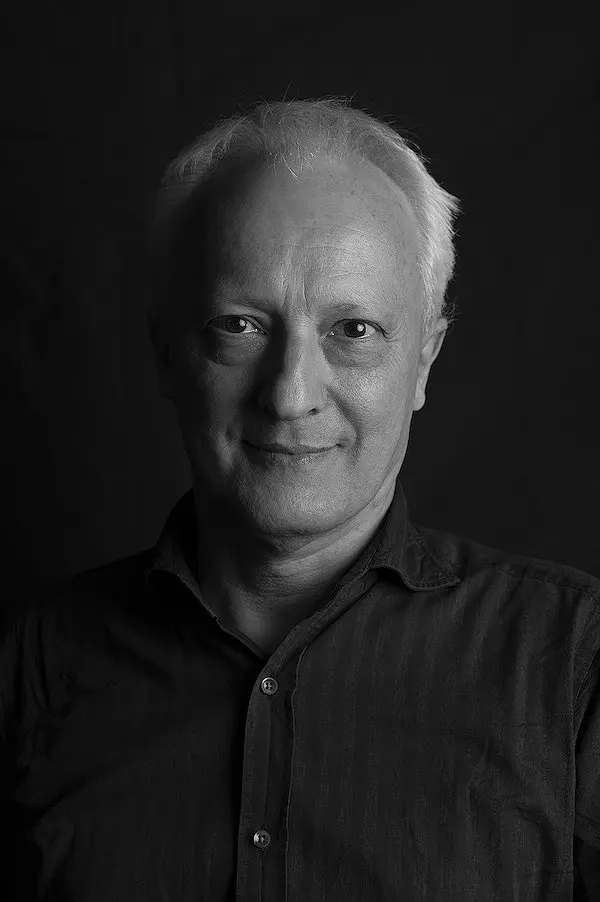
immagine per Paolo Di Paolo In concorso con:
2024: Romanzo senza umani, Feltrinelli

Paolo Di Paolo è nato nel 1983 a Roma. Ha pubblicato i romanzi Raccontami la notte in cui sono nato (2008), Dove eravate tutti (2011 Premio Mondello e Super Premio Vittorini), Mandami tanta vita (2013 finalista Premio Strega), Una storia quasi solo d’amore (2016), Lontano dagli occhi (2019 Premio Viareggio-Rèpaci), tutti nel catalogo Feltrinelli e tradotti in diverse lingue europee. Molti suoi libri sono nati da dialoghi: con Antonio Debenedetti, Dacia Maraini, Raffaele La Capria, Antonio Tabucchi, di cui ha curato Viaggi e altri viaggi (Feltrinelli 2010), e Nanni Moretti. È autore di testi per bambini, fra cui La mucca volante (2014 finalista Premio Strega Ragazze e Ragazzi) e I Classici compagni di scuola (Feltrinelli 2021), e per il teatro. Scrive per «la Repubblica» e per «L’Espresso».

foto di Matteo Casilli

Raja+shivchatrapati+episode+1+upd+new |verified|

The first episode acts as a historical lens, showcasing the fragmentation of the Deccan region. It highlights the struggle of local rulers against larger, dominant powers like the Mughals and the Nizamshahi dynasty.

The narrative opened with a somber yet powerful introduction: the Maratha kingdom was in a "collapsing" state. The premiere cleverly laid the groundwork for the journey of Shivaji Maharaj from a young visionary to the founder of the Maratha Empire. It highlighted the crushing weight of foreign dominance and the desperate need for a leader who could think differently—strategically and tactically—to overcome seemingly insurmountable odds. raja+shivchatrapati+episode+1+upd+new

The updated script places a stronger focus on the emotional conflicts within the Bhosale family, particularly highlighting Jijabai’s resilience and her dedication to raising a warrior king. The first episode acts as a historical lens,

The first episode acts as a historical lens, showcasing the fragmentation of the Deccan region. It highlights the struggle of local rulers against larger, dominant powers like the Mughals and the Nizamshahi dynasty.

The narrative opened with a somber yet powerful introduction: the Maratha kingdom was in a "collapsing" state. The premiere cleverly laid the groundwork for the journey of Shivaji Maharaj from a young visionary to the founder of the Maratha Empire. It highlighted the crushing weight of foreign dominance and the desperate need for a leader who could think differently—strategically and tactically—to overcome seemingly insurmountable odds.

The updated script places a stronger focus on the emotional conflicts within the Bhosale family, particularly highlighting Jijabai’s resilience and her dedication to raising a warrior king.

Le votazioni sono chiuse

Puoi consultare il calendario per conoscere le prossime scadenze: se non trovi le indicazioni puoi richiederci direttamente le informazioni che ti servono.